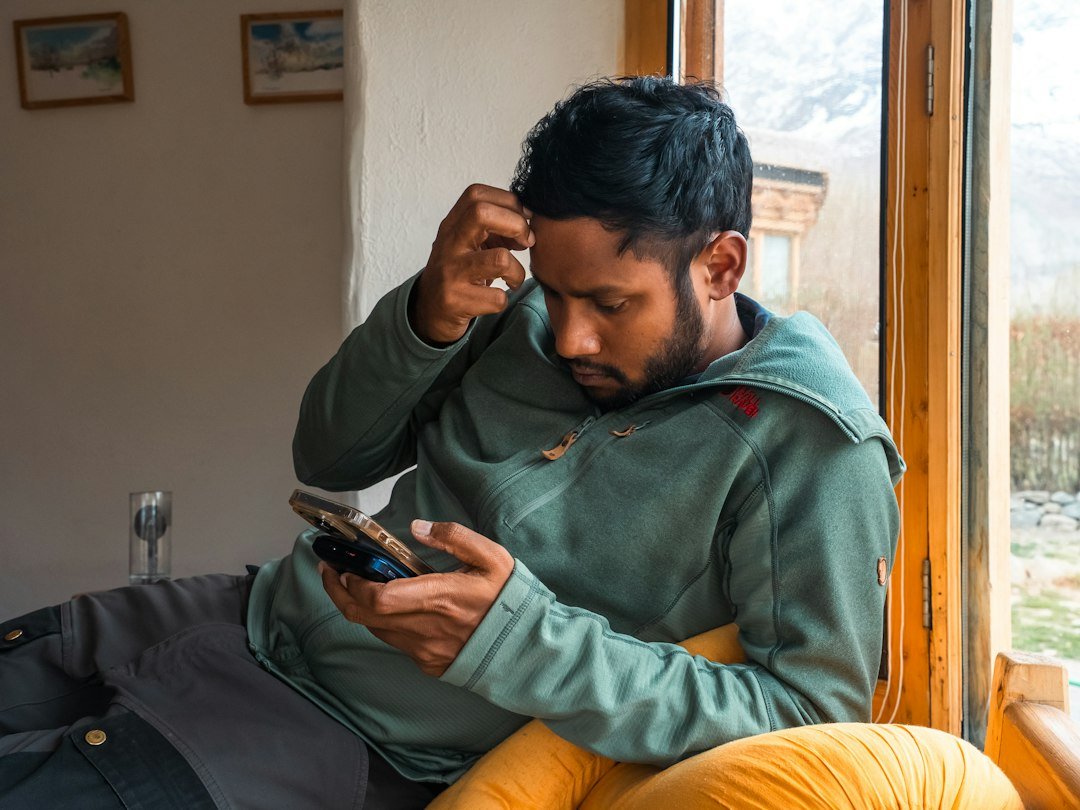
Quick answer: Dating app burnout is the drained, cynical, or checked-out feeling that can build when swiping, messaging, and starting over begin to feel like another job. A break can help without meaning you have given up on dating. Reduce the volume, close dead-end chats, spend time offline, and return with limits that protect your energy.
You do not have to delete every app forever because you are tired this week. But you also do not have to keep swiping when the process is making you less open, less patient, or less like yourself. A useful reset is about changing the pace—not forcing optimism.
What dating app burnout means
Dating app burnout is not a medical diagnosis. It is a practical name for the emotional exhaustion, low motivation, and “what is the point?” feeling that can grow around app-based dating. You may still want connection while feeling tired of the route you are using to find it.
A longitudinal study of active single app users found increases over time in emotional exhaustion and feelings of inefficacy. That does not mean apps affect everyone the same way, but it does support taking persistent fatigue seriously. The peer-reviewed study on dating app burnout over time describes burnout as more than one disappointing match.
Common signs of dating app burnout
- You open an app out of habit, then close it feeling worse.
- Every new profile or first message starts to feel repetitive.
- You leave conversations unanswered because replying feels like work.
- You keep swiping even when you do not feel interested in anyone.
- Small setbacks—an unmatch, a cancellation, a quiet chat—feel bigger than they normally would.
- You feel pressure to stay available because a break seems like “falling behind.”
These signs do not prove anything about your mental health. They are clues that your current dating-app routine may need a reset.
Temporary frustration or ongoing exhaustion?
Temporary frustration usually has a clear trigger: one bad date, a week of poor conversations, or a profile refresh that did not work. You may feel annoyed, but you can still imagine trying again soon.
Ongoing exhaustion is broader. The whole process starts to feel flat, irritating, or compulsory for weeks. You may find yourself treating people as a task list—or feeling like one yourself. That is a good point to pause instead of pushing harder.
Why endless swiping can feel draining
Apps can create a high volume of tiny decisions: profile by profile, message by message, match by match. Add unclear intentions, ghosting, repeated introductions, and the emotional risk of meeting someone new, and it makes sense that your attention can run low. Qualitative research on mobile-online-dating fatigue describes users dealing with the repeated work of swiping, messaging, and uncertainty. Research on coping with mobile-online-dating fatigue treats the experience as social and practical, not as a personal failure.
This is also why adding more apps is not always the answer. A comparison of dating apps and websites can help you choose a better fit, but running several platforms at once can multiply the same decisions.

The RESET framework
- R — Reduce app volume. Keep one app, or set a small weekly time window. More profiles do not automatically mean better dating.
- E — Exit conversations that go nowhere. If the chat is vague, one-sided, or stalled, close it kindly instead of keeping it open as background noise.
- S — Schedule real breaks. Choose a date to pause notifications and swiping. A planned break feels more deliberate than disappearing in frustration.
- E — Engage with offline life. Put energy into friends, movement, hobbies, rest, volunteering, learning, or simply a good weekend without your phone.
- T — Try again with clearer limits. Return only when you can name what you will do differently: fewer apps, fewer active chats, faster plans, or less screen time.
When a dating app break may help
A break can help when you are repeatedly opening apps while depleted, when every interaction feels like another rejection, or when your attention is being pulled away from work, sleep, friends, or daily life. It is not a punishment and it does not mean you are “bad at dating.” It is a way to regain choice.
There is no perfect length. Try one or two weeks if you need breathing room; try a month if the habit feels deeply tiring. The useful question is not “How long should everyone take?” It is “What would help me come back with actual capacity?” During the break, turn off notifications or remove the app from your home screen if that makes the pause easier to keep.
What to do during the break
Do not replace app scrolling with pressure to “work on yourself” nonstop. Pick things that make your week feel fuller on their own terms: see friends, return to a class, take walks, make plans that do not depend on finding a date, or give your phone a little more distance at night.
If you still want to meet people, choose lower-pressure real-life routes that fit your interests: a friend’s gathering, a language class, a sports group, a community event, or a hobby meetup. The goal is not to turn every outing into a search. It is to let your social life be a social life. When you are ready to meet someone, easy first-date ideas can make a move from chat to real life feel lighter.

How to return intentionally
Before reopening an app, set a few rules you can actually keep:
- Use one app for now.
- Swipe for 15–20 minutes, not every spare moment.
- Keep only a manageable number of conversations active.
- After a few good exchanges, suggest a simple public date instead of weeks of texting.
- Stop replying when a conversation stays one-sided or unclear.
- Review how you feel after two weeks—not only how many matches you got.
Intentional dating is not about being rigid. It is about making the app serve your life rather than taking it over. Slow dating offers a compatible idea: choose a pace that lets you notice how a connection feels instead of trying to optimise every outcome.
Reduce the number of apps and conversations
If you are tired of dating apps, one smaller pool may be kinder than three large ones. Fewer active chats means you can respond with attention or opt out without guilt. It may also make it easier to notice what you actually like, rather than chasing the next notification.
Clarity still matters when you do meet someone. If a connection starts feeling vague after the break, this situationship clarity framework can help you have a direct conversation rather than staying in limbo.
When to seek support
Dating fatigue is common, but you deserve support if distress is lasting, affecting sleep or daily functioning, or feels bigger than dating itself. A trusted friend, qualified counsellor, or local health professional can help you talk through what is going on. You do not need to wait until everything feels overwhelming to ask for support.
Takeaway
A dating app break is not giving up on connection. It is a way to protect the energy you want to bring to it. Use RESET: reduce the volume, exit dead ends, schedule a break, engage offline, and return with limits that feel sustainable.